Green Building Certifications Explained

7 min read
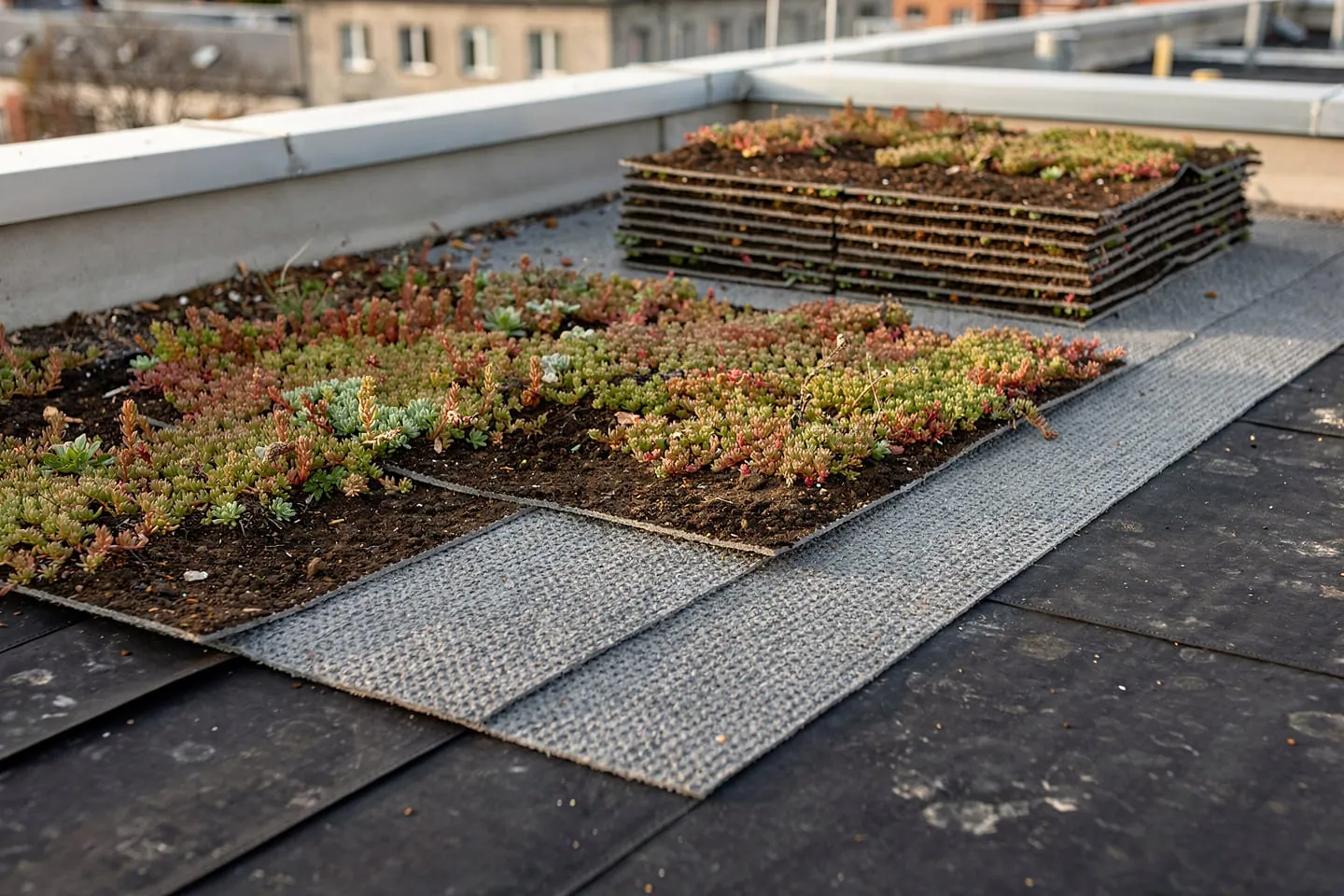
A green roof under construction, its waterproofing, drainage layer and substrate visible beneath partly laid sedum matting

Third-party building certification is an important tool for verifying environmental quality. In this article, I compare the three most widely used certification systems.

BREEAM

Building Research Establishment Environmental Assessment Method is a British rating system that originated in 1990. It is the oldest and most widespread building certification system in the world.

What does BREEAM evaluate?

  • Project management
  • Health and wellbeing
  • Energy
  • Transport
  • Water
  • Materials
  • Waste
  • Land use and ecology
  • Pollution

Certification levels

  • Pass (≥ 30%)
  • Good (≥ 45%)
  • Very Good (≥ 55%)
  • Excellent (≥ 70%)
  • Outstanding (≥ 85%)

LEED

Leadership in Energy and Environmental Design is an American system created by the U.S. Green Building Council. It is very widespread in North America and Asia.

What does LEED evaluate?

  • Integrative process
  • Location and transportation
  • Sustainable sites
  • Water efficiency
  • Energy and atmosphere
  • Materials and resources
  • Indoor environmental quality
  • Innovation
  • Regional priority

Certification levels

  • Certified (40-49 points)
  • Silver (50-59 points)
  • Gold (60-79 points)
  • Platinum (80+ points)

Passive House

Unlike BREEAM and LEED, Passive House focuses exclusively on energy efficiency. It is the strictest standard for low-energy buildings.
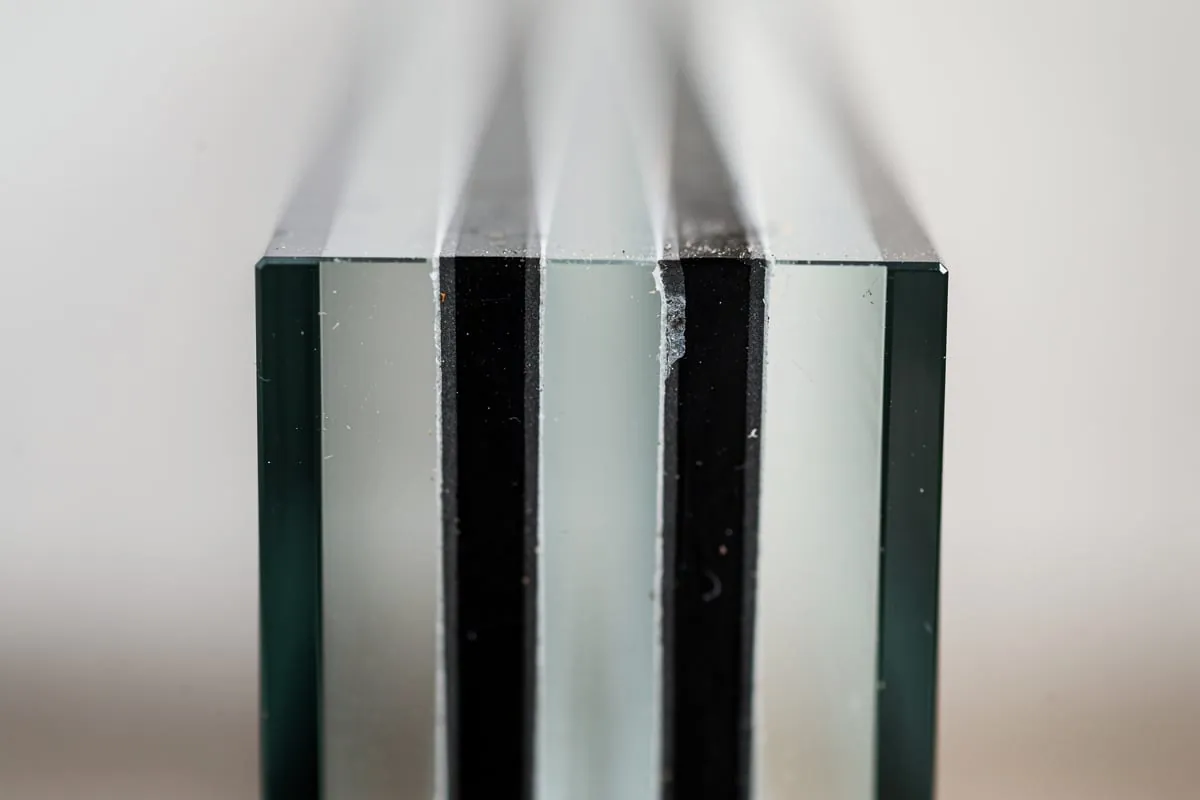
The cut edge of a triple-glazed unit, showing three panes separated by two dark spacer bars
The Passive House standard is the only one of the three that sets numbers on components like this one, rather than awarding points for intent.

Certification levels

  • Passive House Classic
  • Passive House Plus (with renewable energy production)
  • Passive House Premium (energy-positive building)

Comparison

CriterionBREEAMLEEDPassive House
FocusComprehensiveComprehensiveEnergy
OriginUKUSAGermany
Prevalence in SKHighLowMedium
Certification costs€€€€€€€€

Which certification to choose?

  • BREEAM - suitable for commercial projects, widespread in the Slovak market
  • LEED - ideal for international projects, especially with American investors
  • Passive House - best choice for residential projects focused on energy efficiency
  • DGNB - the German system, which assesses a building across its whole life cycle including economic quality; in Central Europe, Slovakia included, institutional investors increasingly ask for it, so on commercial projects it belongs in the shortlist alongside BREEAM

Conclusion

The choice of certification depends on the project type, investor requirements, and target market. It is often possible to combine certifications - for example, BREEAM Excellent with Passive House standard.

Frequently asked questions

Is green building certification mandatory in Slovakia?
No. BREEAM, LEED, DGNB and Passive House are all voluntary schemes commissioned by the investor. The only mandatory document is the energy performance certificate under the act on the energy performance of buildings, issued at occupancy approval for a new build and on sale or lease.
What is the difference between an energy performance certificate and green building certification?
The energy performance certificate is an official document placing the building in energy class A0 to G based on calculated primary energy. Green building certification is a voluntary third-party assessment that, beyond energy, also rates water, materials, waste, transport access, occupant health and further criteria.
Is certification worth it for a family house?
For an ordinary family house, BREEAM and LEED are barely used in practice; their administration is designed for larger projects. What does make sense is Passive House, which concentrates on measurable envelope parameters, or simply designing to its principles without formal certification.
What does DGNB add compared with BREEAM and LEED?
DGNB assesses a building across six dimensions including economic quality and life-cycle costs, not only environmental performance. In German-speaking countries and Central Europe it holds a strong position with institutional investors, which is the main reason it also appears on Slovak commercial projects.
How much does building certification cost?
The cost consists of the scheme fee, the accredited assessor's fee, and the additional design work and documentation. That third item is usually the largest and depends most on how early certification enters the project. Addressed only after the design is finished, the cost rises disproportionately.
Can one building be certified under several systems at once?
Yes, combinations are common, for instance BREEAM or LEED for overall sustainability together with Passive House for the energy part. The systems do not fully overlap, so dual certification means paying for two assessments, though often only one shared body of design preparation.
When should certification enter the project?
As early as possible, ideally at the architectural study stage. Most credits depend on decisions about orientation, form, structural system and building services that later change expensively or not at all. Certification bolted onto a finished design usually delivers a lower rating at a higher price.

Tags

  • certifications
  • sustainability
  • green-building