"Passive house" comes up constantly in conversations with clients and material suppliers alike, but the question people actually want answered is different: is it worth paying more for the label, or is it just an upsell? There's no simple yes or no — it depends on how long you plan to live in the house, its location, what heat source you'd use otherwise, and how energy prices develop. This article looks at the economics of a passive house soberly: what really drives the higher upfront cost, where the savings come from, and what payback ranges the available sources actually report.
How much more a passive house really costs
The first question every self-builder asks is the price per square metre. Slovak industry sources put the realised cost of passive houses at roughly €1,600–€2,200 per m², depending on technology, build quality and location. Compared with a standard new build — which today already has to meet fairly strict energy requirements — that typically works out to a premium on the order of 10–20%.
Where does that premium come from? It isn't one line item, but a sum of several:
- thicker, higher-performance thermal insulation on the envelope, roof and foundations,
- windows and doors with a low heat-transfer coefficient (typically below 0.8 W/(m²K)),
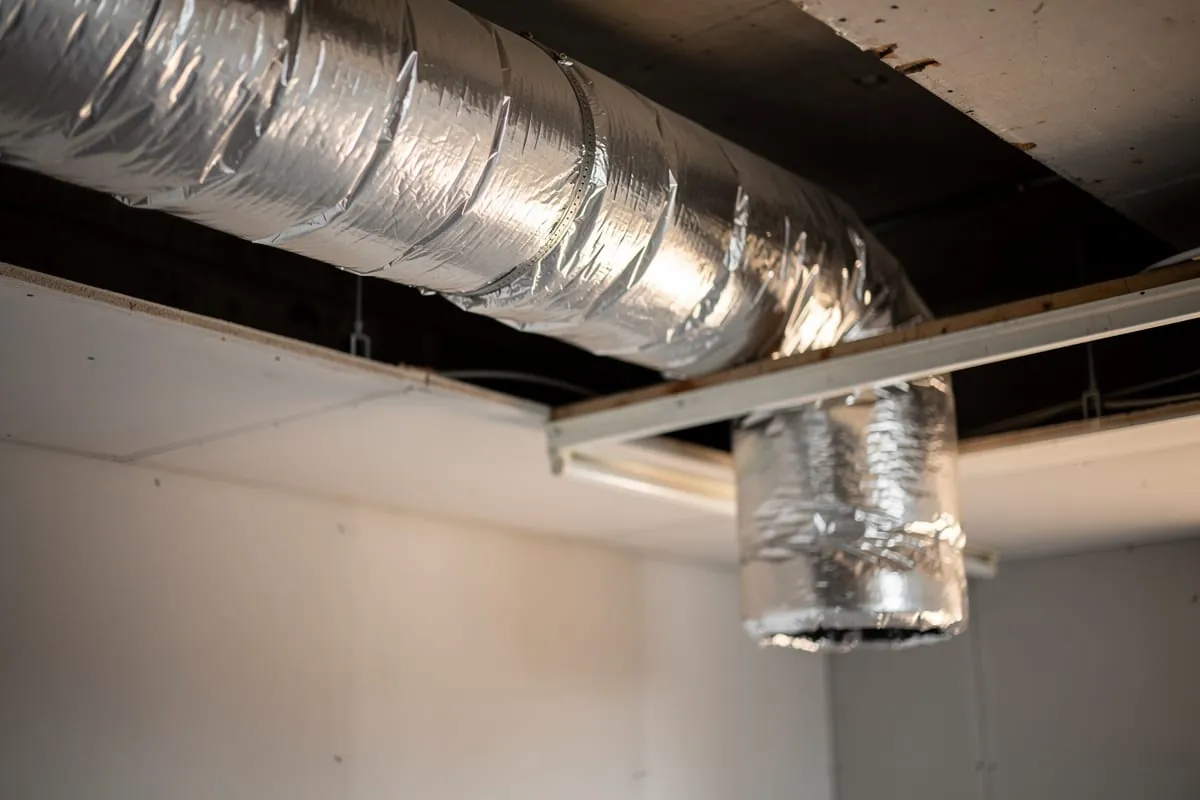
- mechanical ventilation with heat recovery, which a standard new build often lacks,
- careful elimination of thermal bridges and airtightness of the building envelope, verified with a blower-door test,
- more demanding design work and site supervision, since the details determine the outcome.
Part of this premium is also shrinking over time: since 2021, every new building in Slovakia has had to meet nearly-zero-energy parameters (energy class A0), so a "standard" new build today is nowhere near what it was a decade ago.
Where the investment pays back
Savings don't show up in a single line item — they add up across several effects over the building's lifetime:
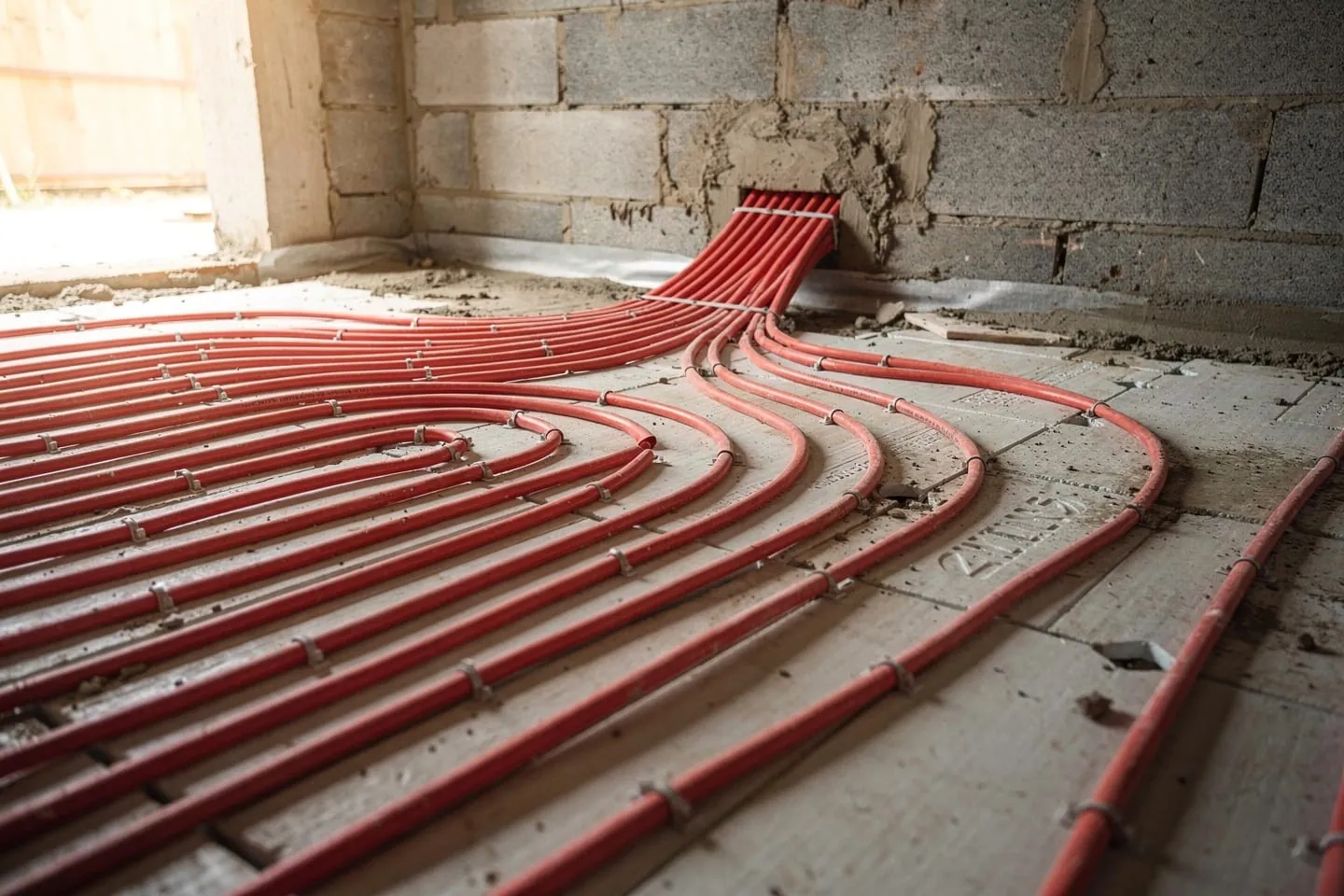
- significantly lower heating consumption — a well-designed passive house needs only a fraction of the energy a standard new build does for heating,
- a smaller, cheaper heat source, since peak heating output is low,
- higher comfort with fewer temperature swings, which reduces the temptation to over-heat or over-cool,
- better indoor air quality from continuous mechanical ventilation — not a line on a bill, but part of the value of living there,
- resilience against rising energy prices — the higher gas, electricity or wood prices climb, the faster the investment pays for itself.
That last point matters most. Passive-house payback isn't a fixed number; it's a variable that moves with energy prices. When prices stay flat or low, payback stretches out; when they rise, it shortens.
The payback period in numbers
The exact payback period depends on the specific project, which is why sources diverge — understanding the range, and what pushes it in either direction, matters more than any single figure. Slovak real-estate and construction sources typically cite payback for a passive house in the range of roughly 8 to 15 years, with more optimistic estimates mentioning a shorter payback toward the lower end when combined with rooftop solar or a heat pump. International analyses work with a similarly wide range, on the order of 9 to 19 years depending on the energy-price scenario — the more energy prices rise, the shorter the payback.
| Parameter | Standard new build (class A0) | Passive house |
|---|---|---|
| Approximate investment premium | baseline | roughly +10 to 20% |
| Space-heating demand | higher, within nZEB limits | much lower (target around 15 kWh/m²a) |
| Envelope airtightness (n50) | less strict requirements | strictly verified with a blower-door test |
| Mechanical ventilation with heat recovery | often optional | a standard part of the concept |
| Approximate premium payback | – | roughly 8 to 19 years, depending on source and energy-price scenario |
The figures in the table are approximate ranges drawn from publicly available analyses, not a binding promise for any specific project — actual payback varies with layout, location, the chosen heat source and how the build is financed.
Passive house vs. nearly-zero-energy building — what's the difference
Since 2021, every new building in Slovakia has been legally required to meet the parameters of a nearly-zero-energy building — this is a statutory floor, not an optional upgrade. A passive house, by contrast, is a voluntary, stricter concept that a self-builder chooses on top of what the law requires.
The key difference isn't just in the numbers, it's in the approach. Where the legal requirement can be met with a combination of insulation and a renewable energy source, a passive house is built primarily around reducing the energy demand itself — a high-performance envelope, minimised thermal bridging and airtightness are the foundation here, not an add-on. That's also why passive houses tend to behave more predictably as energy prices rise: they simply need less energy, whatever the source.
Passive house classes — Classic, Plus, Premium
The Passivhaus Institut distinguishes several passive house classes, which are rated not just on consumption but on how much energy the building generates itself. The Classic class corresponds to the traditional low-energy-demand definition, while Plus and Premium add an increasing share of on-site energy generation, typically via rooftop solar.
This distinction matters economically too — a Plus or Premium home carries a higher upfront investment, for the solar array and battery storage, but also lower running costs, which can shorten payback despite the higher entry cost.
Is it worth it for you? A practical checklist before deciding
Instead of a one-size-fits-all answer, ask yourself a few concrete questions:
- Do you plan to live in the house long-term, 15 years or more? The longer the horizon, the more room there is for the premium to pay back.
- What heat source would you use in a "standard" new build anyway? If you'd install a heat pump and good insulation regardless, the gap versus a passive house narrows.
- How sensitive is your budget to future energy prices? If you expect prices to rise, the economics shift in favour of a passive house.
- Do you have a roof and orientation suited to solar? Without it, reaching the higher Plus or Premium classes is harder.
- Does living comfort factor into your decision? Stable temperatures and air quality carry a value that a simple payback calculation in euros can't fully capture.
Conclusion
A passive house isn't worth it always, nor never — it's worth it under specific conditions that any self-builder can check fairly quickly. If you plan to live in the house long-term, expect energy prices to keep rising, and can picture combining it with rooftop solar, the economics work in your favour. If your horizon is short or the budget extremely tight, it may make more sense to move partway toward the passive standard without full certification. The most important step is having the actual numbers run for your plot and layout — general ranges are a good starting point, not a substitute for a real design.