Designing for Slovak Climate

4 min read
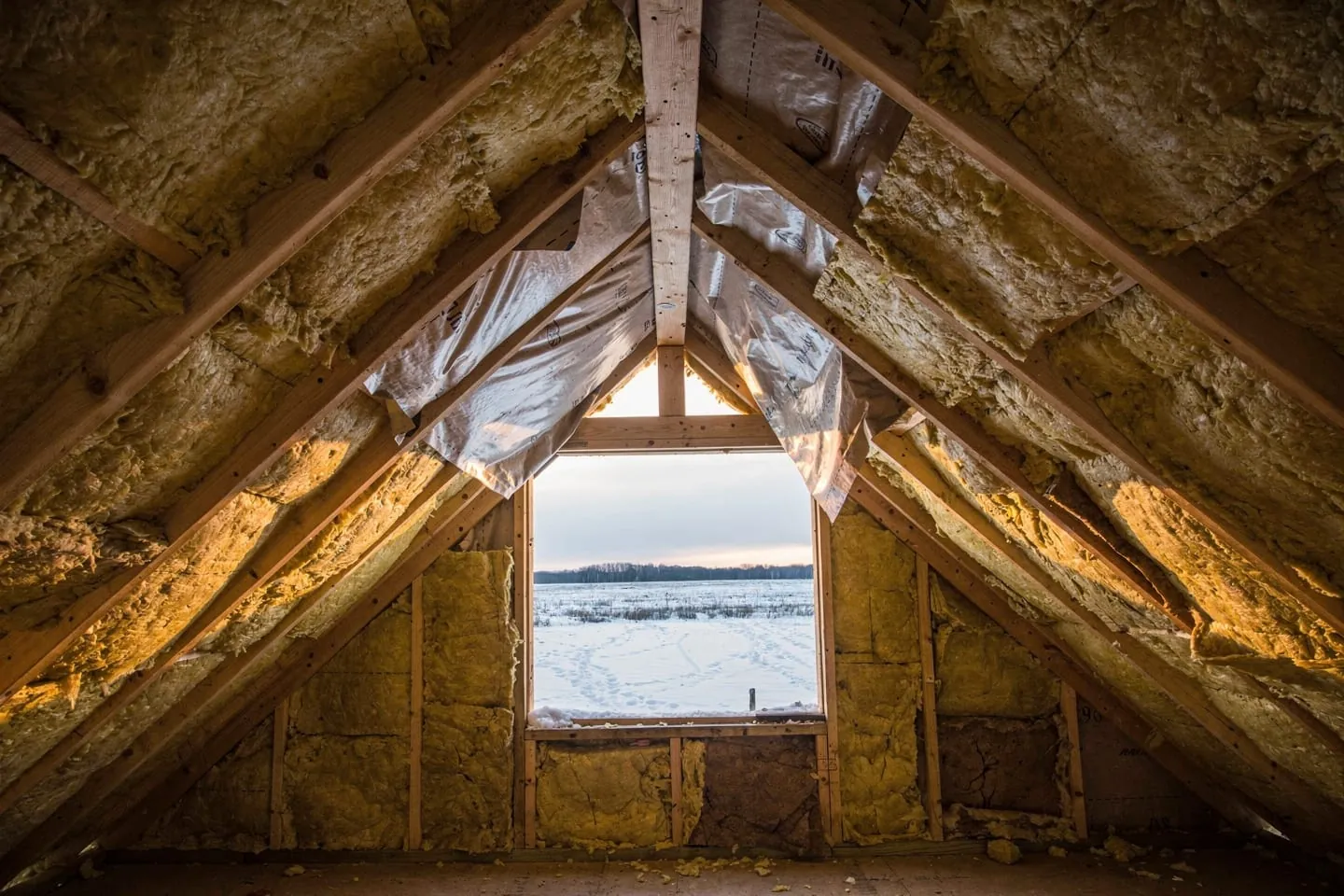
A roof under construction seen from inside, insulated between the rafters, with a snow-covered field beyond the opening

Slovakia lies in a temperate climate zone with significant differences between seasons. Average temperatures range from -3°C in January to +20°C in July, with extremes from -30°C to +40°C. These conditions place specific demands on architecture. Design outdoor temperatures and climate data for individual locations are set by the STN 73 0540 standard.

Slovak Climate Zones

Lowlands (up to 300 m elevation)

Bratislava, Trnava, Nitra - warm summers, mild winters. Shading against summer overheating is important.

Basins (300-600 m elevation)

Žilina, Banská Bystrica - more pronounced temperature differences, possibility of ground frost.

Mountain areas (above 600 m elevation)

High and Low Tatras - long winters, short summers. Thermal insulation is a priority.

Key Architectural Principles

1. Building Orientation

  • Orient main living spaces to the south
  • Technical spaces and garages to the north
  • East-west orientation requires quality shading

2. Shape Compactness

The A/V ratio (envelope area to volume) should be as low as possible. Compact shapes minimize heat loss.
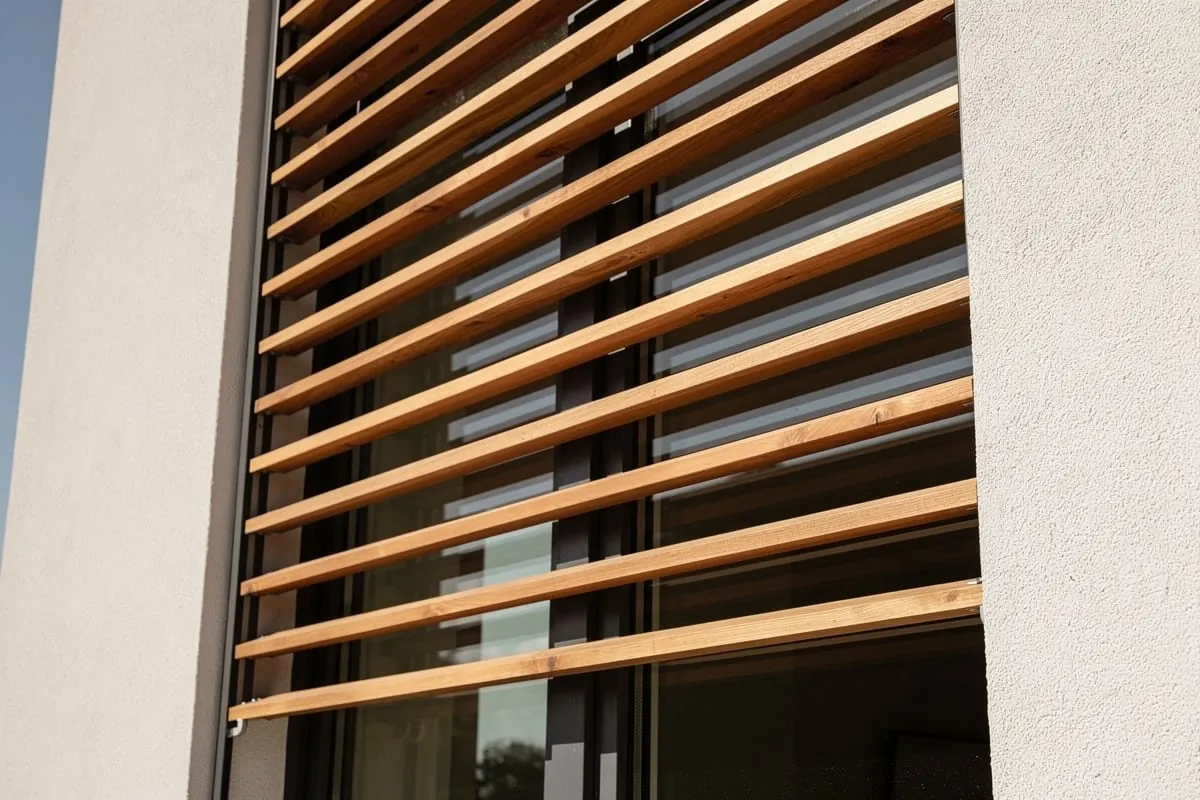
Horizontal timber louvres fixed outside a large window, high summer sun throwing a striped shadow across the glass
Fixed horizontal shading works because the summer and winter sun arrive at different heights: it blocks one and lets the other through.

3. Glazing

  • South facade: 40-60% glazing for solar gains
  • North facade: minimal glazing (10-20%)
  • Always use triple glazing

4. Summer Shading

In summer, the sun hits at a higher angle, in winter at a lower one. Roof overhangs and horizontal shading:

  • Summer sun angle (June 21): ~65°
  • Winter sun angle (Dec 21): ~18°

5. Thermal Mass

Massive constructions (brick, concrete) balance temperature fluctuations through thermal mass. Ideal are massive interior walls with a well-insulated envelope.

Regional Specifics

Bratislava Region

  • Hot summers require active cooling or quality passive solutions
  • Windiness - suitable for natural ventilation

Žilina and Prešov Regions

  • Ground frost - be careful with air-source heat pump placement
  • Snow load - roof structure dimensioning

Košice Region

  • More continental climate with larger temperature fluctuations
  • Humidity - quality vapor barrier

Conclusion

Successful architecture responds to local climatic conditions. In Slovakia, this means finding a balance between winter thermal protection and summer comfort.

Frequently asked questions

What if the plot does not allow the living spaces to face south?
Orientation is a recommendation, not a condition. On a north-facing or east-west plot, solar gains are replaced by a better envelope and a more considered room layout: open the day zone where the light and the view are best, and offset the lower gains with thicker insulation, better windows and more efficient heat recovery ventilation.
Isn't 40-60% glazing on the south facade too much?
That range only holds together with external shading and sufficient thermal mass. Without overhangs, blinds or louvres, that much glazing will overheat in a Slovak summer, and air conditioning ends up covering for it. If shading is not part of the design, keep the glazing share nearer the lower end of the range.
Which design temperatures apply to my location?
Climate data and design outdoor temperatures for specific places in Slovakia are given in STN 73 0540, part 3. Altitude and a basin location shift them considerably: a house in Poprad or Banská Bystrica is sized for a different winter than the same layout in Bratislava.
Does a new building have to meet an energy standard?
Yes. Since January 2021 every new building must meet the nearly zero-energy building standard, which corresponds to class A0 on the energy performance certificate. The principles described in this article (compactness, orientation, shading, quality glazing) are the cheapest route to that standard, because they cut energy demand before any technology is bought.
Does a family house in Slovakia need air conditioning?
Not necessarily. In the lowlands with hot summers active cooling is increasingly common, but a well-shaded building with enough thermal mass and night ventilation can manage without it, or with cooling through a reversible heat pump. What decides it is whether shading was handled in the design or only after the first summer.
What should I watch for when siting a heat pump in colder regions?
Air-source heat pumps lose output at low temperatures, and in basins with ground frost the outdoor unit should not sit in a cold air pocket near the ground or in an enclosed corner without airflow. Equally important is condensate drainage, which freezes in sub-zero weather.
Is massive construction better than timber for the Slovak climate?
It is not a question of better or worse, but of what you expect from the house in summer. Massive constructions damp daily temperature swings and keep the interior cool longer on hot days; lightweight ones respond faster and also heat up faster. A lightweight building can compensate with external shading, night ventilation and some interior thermal mass, for example a concrete screed.

Tags

  • climate
  • design
  • slovakia